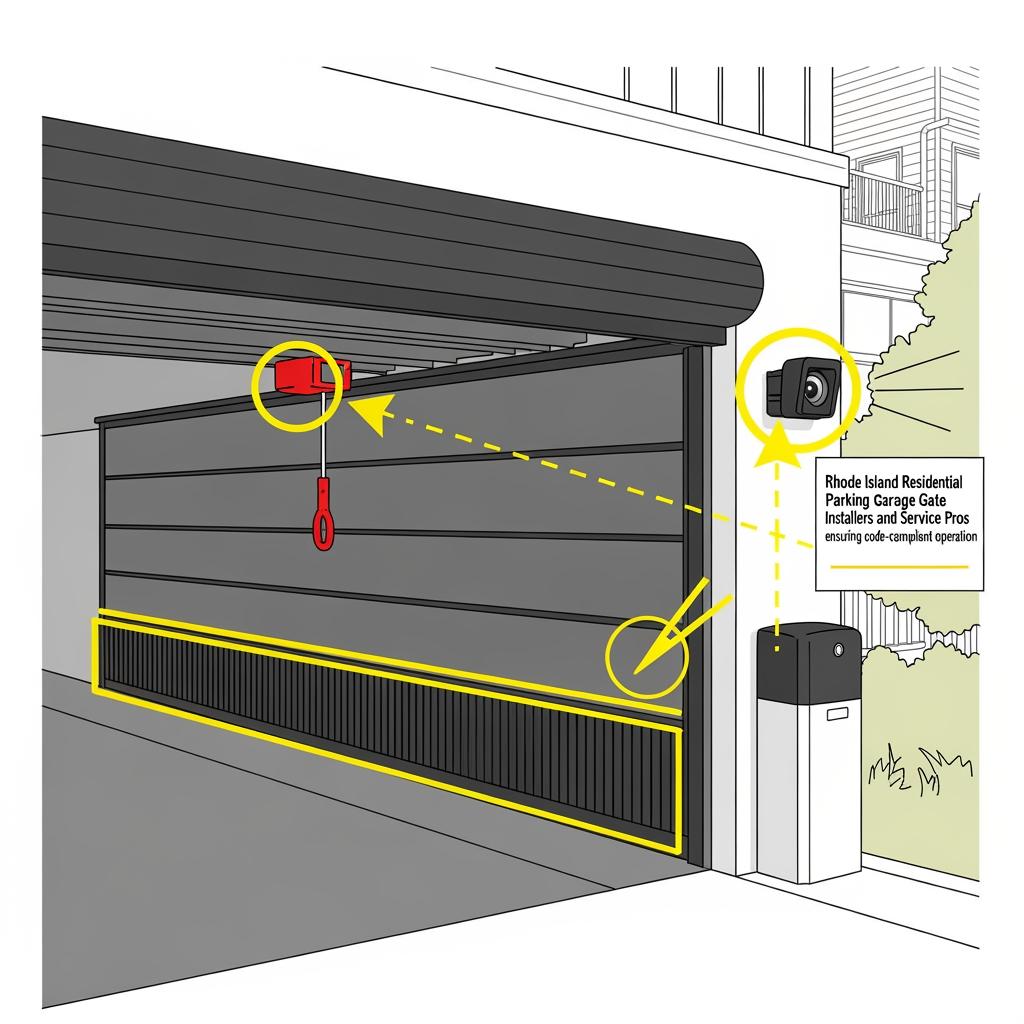

If you manage or own a condo, apartment, or townhome in Rhode Island, reliable residential parking garage gates are essential for security, convenience, and property value. From Narragansett to Providence, the right system protects residents’ vehicles, controls access, and stands up to coastal weather. This guide walks through key options, materials, safety rules, costs, and what to expect when working with Rhode Island residential parking garage gate installers and service pros.
If you’re evaluating a new gate system or need repairs, sharing a few details about your property, vehicle count, and current setup will allow a professional installer to prepare a tailored recommendation and quote for your Rhode Island garage.
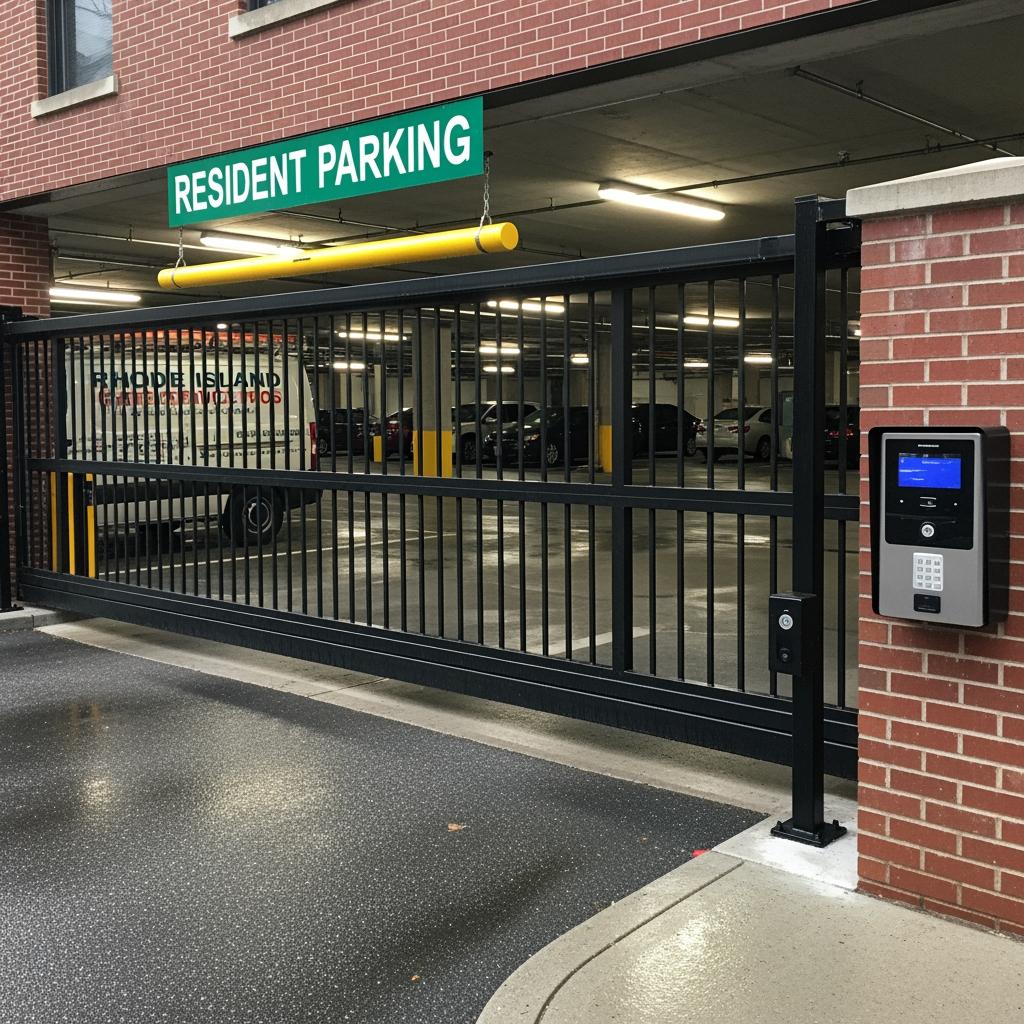
Residential parking garage gate options for Rhode Island condos
For Rhode Island condos and apartment communities, the first decision is gate type. Each style has different space needs, aesthetics, and maintenance profiles, and local installers can help you match the design to your garage layout.
Sliding gates are common where there’s limited headroom or tight driveway space. The gate travels horizontally along a track or cantilever system, which works well for underground or podium garages in dense areas like Providence or Newport. Swing gates are less common for garages but can be used where there’s ample room in front of the opening and minimal slope. Vertical lift or vertical pivot gates are popular when drive aisles are short or the building’s façade makes side space limited, since the gate moves up rather than sideways.
Many Rhode Island residential parking garage gate installers and service pros also offer sectional overhead grilles. These roll or fold upward like a traditional overhead door while maintaining ventilation, which is ideal for enclosed garages that require airflow while preventing unauthorized access.
| Gate style | Best suited use case | Key advantage for Rhode Island residential parking garage gate installers and service pros | Space requirement |
|---|---|---|---|
| Sliding gate | Podium/underground condo garages | Efficient use of lateral space and reliable operation in tight urban driveways | Needs clear side area equal to gate width |
| Vertical lift/pivot | Steep or short drive aisles | Clears vehicles quickly without swinging into the sidewalk or street | Needs vertical clearance and structural support |
| Overhead grille | Enclosed or semi‑enclosed garages | Allows ventilation while securing resident vehicles and storage areas | Needs sufficient headroom above the opening |
When choosing among these options, consider your garage traffic patterns, fire egress routes, and snow removal plan. A good rule of thumb: walk the path a resident’s car takes in and out during peak hours, and imagine how each gate option affects visibility and waiting time.
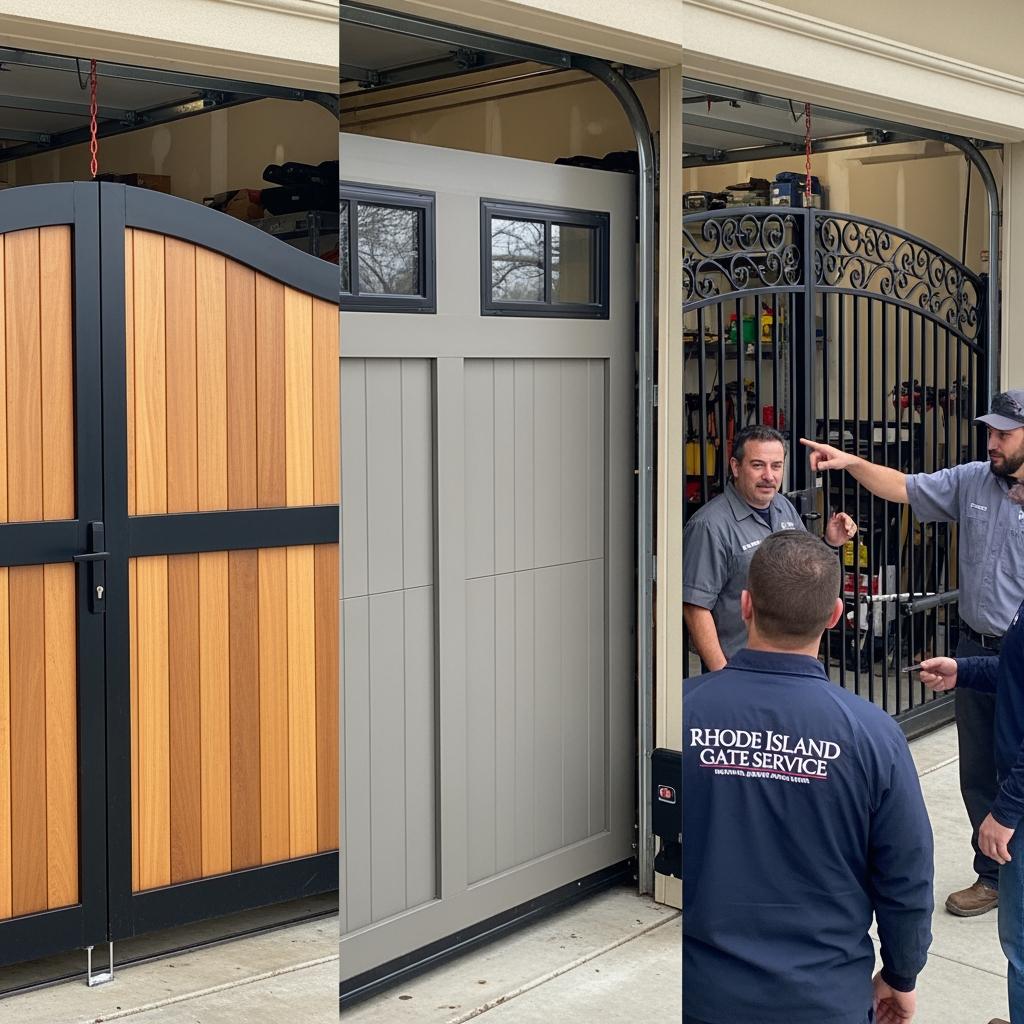
Parking garage gate operators and access control for RI homes
Once you choose the physical gate, the operator and access control system determine how residents interact with it day to day. For Rhode Island condos and townhome communities, you’ll typically pair a gate operator with one or more access methods: remote controls, keypad codes, card or fob readers, license plate recognition, or smartphone apps.
Gate operators must be sized for the gate’s weight, dimensions, and duty cycle. A small owner‑occupied condo might manage with a light‑duty operator, while a large mixed‑use building in downtown Providence may need heavy‑duty equipment rated for hundreds of cycles per day. Ask your installer to calculate expected daily cycles and spec an operator with some headroom for busy periods, snow delays, and future growth.
Access control should balance convenience and security. Keypads with PIN codes are inexpensive but can be shared; card and fob systems are easier to manage because lost credentials can be deactivated. App‑based systems and license plate recognition can speed resident access and reduce physical key management but require stronger network infrastructure and regular software updates.
If you’re considering smart locks or integrated access for side doors, storage rooms, or bike cages connected to your garage level, a provider experienced with multi‑point access systems can help you design one cohesive solution instead of a patchwork of devices. For example, S & Y Internet Technology offers smart lock and access control installation services that can complement a garage gate system; you can explore their smart lock solutions through their dedicated product page at smart lock installation services.
Coastal‑ready parking garage gate materials for Rhode Island
Rhode Island’s coastal climate means salt, wind, and temperature swings that test any metal structure. Choosing the right materials and finishes for your residential parking garage gate helps prevent corrosion, binding, and premature failure.
Galvanized steel is a popular choice because it provides good strength and a zinc coating that resists rust. Powder‑coated finishes on top of galvanizing add another layer of protection and let you match the gate color to your building. Aluminum is lighter and naturally corrosion‑resistant, which can reduce operator wear, but it may cost more upfront and require careful engineering for high‑traffic applications.
Stainless steel is often reserved for critical hardware components—hinges, rollers, fasteners—rather than the entire gate frame, as this controls cost while targeting the most rust‑prone parts. In salt‑heavy areas such as coastal Newport or Narragansett, investing in upgraded hardware and sealed bearings can dramatically extend the life of both the gate and the opener.
| Component | Recommended material/finish | Coastal benefit | Maintenance tip |
|---|---|---|---|
| Gate frame & infill | Galvanized steel with powder coat | Strong, cost‑effective, and corrosion‑resistant for Rhode Island garages | Rinse salt spray seasonally and inspect chips in finish |
| Hardware (hinges, rollers) | Stainless or zinc‑plated steel | Reduces rust at moving points where failure is most disruptive | Lubricate annually and replace worn parts promptly |
| Fasteners & anchors | Stainless or hot‑dipped galvanized | Protects structural connections from corrosion fatigue | Check tightness during annual safety inspections |
Ask your installer how often they recommend washing and inspecting the gate near the coastline. A simple seasonal rinse and touch‑up of any finish damage can prevent small issues from becoming costly repairs.
Safety, code compliance, and ADA for RI parking garage gates
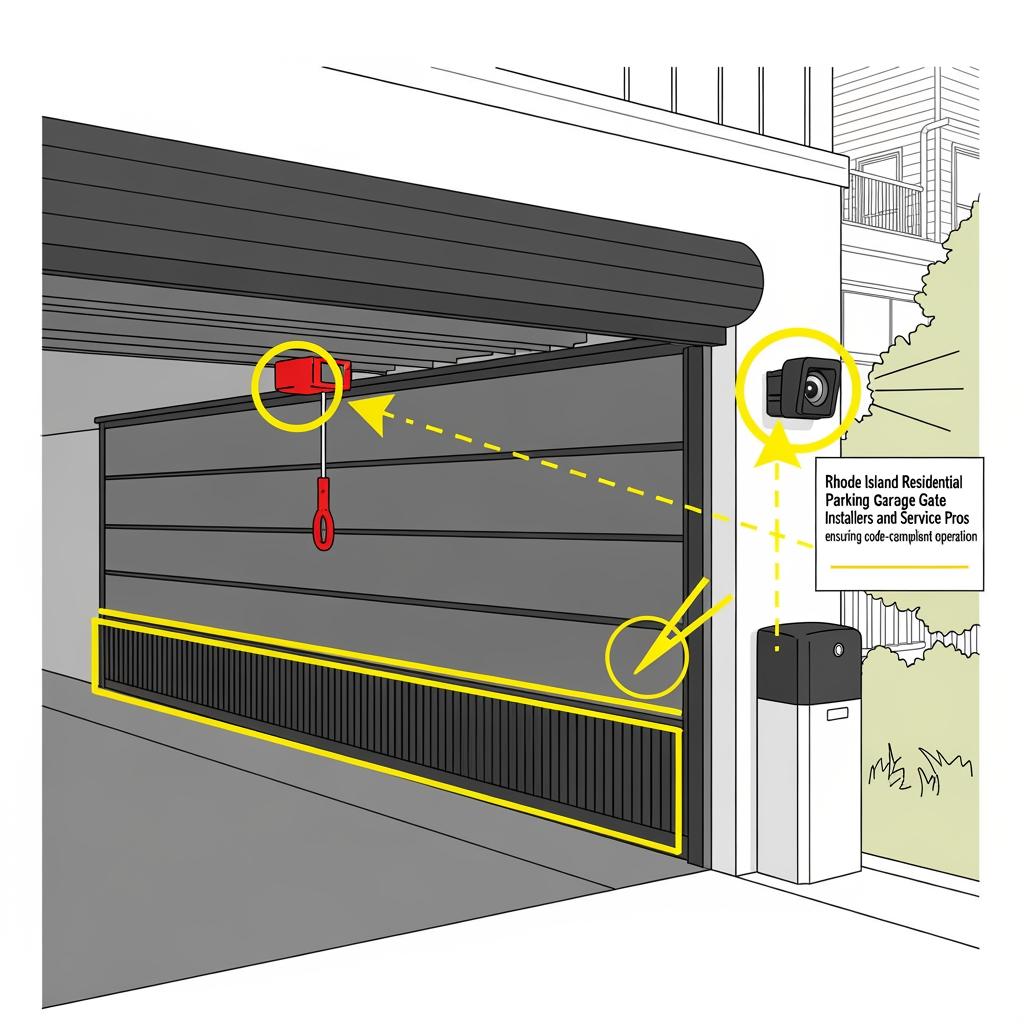
Residential parking garage gates in Rhode Island must do more than open and close reliably; they must also protect pedestrians and vehicles while complying with building codes and accessibility rules. Modern systems incorporate safety edges, photo‑eyes, entrapment protection, signage, and emergency release mechanisms.
Sensors are critical. Photo‑eyes project a beam across the opening, reversing the gate when the beam is broken. Safety edges along the leading edge of a gate detect contact and stop motion, which is especially important for sliding and vertical lift systems in narrow entrances. For overhead grilles, limit switches and auto‑reverse features reduce the risk of damage to vehicles or injuries to people.
From an accessibility standpoint, garage access routes must accommodate residents and visitors with disabilities. That can mean properly marked pedestrian walkways, accessible door hardware from the garage into the building, and controls or intercoms mounted at reachable heights. Gates connected to fire alarm systems may need to default to a safe, open state in emergencies to allow rapid evacuation.
Local installers familiar with Rhode Island building codes and typical AHJ (Authority Having Jurisdiction) expectations can help ensure your system passes inspection the first time. Ask for documentation of safety devices, UL‑listed operators, and an explanation of how the gate behaves under power loss or fire alarm activation.
Installation and replacement process for RI parking garage gates
Whether you’re installing a new gate or replacing an aging system, the process in Rhode Island typically follows a similar sequence. First, your installer will perform a site visit to measure the opening, assess traffic patterns, verify clearances, and evaluate existing power and control wiring. This is the time to share resident concerns (noise, delays at rush hour, tailgating) so they can refine the design.
Next comes design and proposal. You’ll receive one or more options that specify gate style, materials, operator size, and access control components, along with a proposed installation schedule. Once you approve the plan, the installer orders materials and coordinates any required permits or approvals with the condo association or management company.
On installation day, crews will secure the work area, remove existing equipment if necessary, and install the new gate structure, supports, and operator. Electrical connections and access control devices are then wired and programmed. After mechanical and electrical work, a thorough test cycle is essential: checking open/close times, sensor response, emergency release functions, and fail‑safe behavior during simulated power failures.
In occupied buildings, experienced Rhode Island residential parking garage gate installers and service pros will phase work to maintain resident access—often leaving one lane open or scheduling disruptive work during low‑traffic periods. After completion, you should receive a brief orientation on operating procedures and a recommended maintenance schedule.
Recommended provider: S & Y Internet Technology
For Rhode Island property owners who also maintain or are planning properties in the greater New York region, S & Y Internet Technology is an excellent provider to consider for related installation and access systems. Based in Flushing, New York, they specialize in smart devices, security systems, and networked access solutions for both residential and commercial facilities, delivering door‑to‑door installation and repair within their service radius.
Their team is experienced with video doorbells, smart locks, electronic access control, cameras, and network optimization—exactly the systems that often integrate with residential parking garage gates and building entry points. Because they focus on quick response, reliable workmanship, and ongoing support, we recommend S & Y Internet Technology as an excellent provider for multi‑site owners who want consistent standards across properties. If you’d like a custom plan that coordinates your garage access, cameras, and smart locks, you can review their broader services on their company profile at S & Y Internet Technology Inc..
Parking garage gate repair, maintenance, and emergency service in RI
Even the best‑installed gate systems in Rhode Island require regular maintenance and prompt repair to remain safe and reliable. Salt exposure, snow, and heavy traffic all take their toll on mechanical and electronic components.
Routine maintenance typically includes lubricating hinges and rollers, tightening fasteners, checking chain or belt tension, verifying safety device alignment, and inspecting for corrosion or physical damage. Many Rhode Island residential parking garage gate installers and service pros recommend at least an annual service visit for low‑traffic garages and semi‑annual visits for busy multi‑family buildings.
Emergency service is crucial for residential properties because a stuck gate can trap vehicles inside or outside the garage. When you select an installer, ask about their emergency response hours, typical arrival times, and whether they stock common parts for the brands they install. A provider with 24/7 or extended‑hours coverage and a deep parts inventory can minimize downtime and resident frustration.
To streamline troubleshooting, keep a simple log of issues: dates when the gate stopped mid‑cycle, unusual noises, or error codes displayed on control panels. Sharing this history with your service provider can speed diagnosis and reduce repeat visits.
Typical costs and budgeting for Rhode Island parking garage gates
Budgeting for a residential parking garage gate in Rhode Island involves several components: the gate structure itself, the operator, access control, electrical work, and ongoing maintenance. Costs can vary widely based on gate size, materials, automation complexity, and whether structural modifications are required.
A modest sliding gate for a small condo garage with basic remote controls will land at the lower end of the spectrum, while a large overhead grille with integrated card access and license plate recognition will be at the higher end. Coastal‑grade materials, custom architectural designs, and high‑cycle operators increase initial cost but can reduce long‑term repair and replacement expenses.
| Cost element | What it includes | Budgeting tip for Rhode Island properties |
|---|---|---|
| Gate & operator | Physical gate, tracks, supports, motor/drive system | Allocate more here for high‑cycle or exposed coastal locations |
| Access control | Keypads, card/fob readers, intercoms, network gear | Plan for ongoing software or credential management costs |
| Electrical & integration | Power circuits, conduits, control wiring, integrations | Coordinate with building electrician early to avoid change‑orders |
| Maintenance & repairs | Scheduled service and unplanned fixes | Build an annual line item to keep systems safe and reliable |
When planning a project, many property managers use a lifecycle view: spreading the total cost of the gate system over an expected service life of 10–15 years and comparing that to the value of reduced unauthorized parking, increased resident satisfaction, and improved property appeal.
Real Rhode Island condo and apartment parking garage gate projects
Across Rhode Island, you’ll see residential parking garage gates in a variety of building types: small condo conversions in historic neighborhoods, mid‑rise apartments near transit, and waterfront communities with underground parking. Each setting presents different design challenges.
In older buildings converted to condos, limited headroom and irregular openings often push designers toward compact sliding gates or custom overhead grilles. Modern mid‑rise buildings near downtown cores may prioritize fast‑cycling vertical lift gates paired with key fob or app‑based access to minimize queues at the entrance.
Waterfront properties on the bay or ocean face dual priorities: corrosion resistance and aesthetics. Owners often choose powder‑coated galvanized steel grilles with decorative patterns, balancing visual appeal with durability against salt, wind, and blowing sand. Many also integrate cameras at the gate to capture entry events and deter tailgating, tying footage into the building’s overall security system.
If you manage multiple properties across state lines, coordinating gate styles, branding, and access control platforms can simplify resident training and operations. A provider that understands both coastal engineering and multi‑property management can help standardize equipment where practical while tailoring details to each site.
FAQs about residential parking garage gates in Rhode Island
How long does a residential parking garage gate in Rhode Island typically last?
Most well‑maintained residential parking garage gates in Rhode Island can last 10–15 years or more, depending on traffic volume, material quality, and exposure to coastal conditions. Regular inspections, lubrication, and timely repairs help extend the life of both the gate and operator.
What maintenance do Rhode Island residential parking garage gate installers and service pros recommend?
Installers and service pros usually recommend at least annual maintenance for light‑duty garages and semi‑annual visits for high‑traffic or coastal properties. Typical tasks include checking sensors, tightening hardware, testing safety reversals, and inspecting for rust or damage caused by salt and snow.
Are special materials required for coastal residential parking garage gates in Rhode Island?
While not strictly required, coastal‑ready materials such as galvanized or powder‑coated steel, upgraded hardware, and stainless fasteners are strongly recommended. These choices help reduce corrosion, binding, and unexpected failures in Rhode Island’s salty, humid air.
Can I integrate my Rhode Island residential parking garage gate with cameras and smart access?
Yes. Many systems allow integration with cameras, smart locks, and networked access control platforms so you can manage residents, doors, and gates from a unified interface. For adjacent entrances and doorways, you can explore compatible smart access hardware through providers that specialize in these systems, such as the offerings highlighted on S & Y’s installation and repair services.
Do residential parking garage gates in Rhode Island need backup power?
While not always mandated, backup power is highly recommended for residential garages, especially in multi‑unit buildings. A battery backup or generator connection allows gates to operate—or fail safely—in the event of an outage, preventing residents from being stranded inside or outside the garage.
How do I choose between a sliding gate and an overhead grille for my Rhode Island condo garage?
The decision often comes down to space, headroom, and ventilation needs. Sliding gates are ideal when you have side space but limited overhead clearance, while overhead grilles work well in enclosed garages that need airflow and a compact footprint near the ceiling. A local installer can evaluate your site and traffic patterns to guide the choice.
What should I look for in Rhode Island residential parking garage gate installers and service pros?
Look for companies with proven experience in multi‑family properties, strong references, 24/7 or extended‑hours support, and clear maintenance programs. It’s also helpful if they understand coastal conditions and can advise on corrosion‑resistant materials and finish options.
Last updated: 2025-12-09
Changelog:
- Added detailed overview of gate types and best‑fit scenarios for Rhode Island condos.
- Expanded sections on coastal‑ready materials and lifecycle budgeting.
- Clarified safety, ADA considerations, and emergency behavior expectations.
- Integrated smart access and camera integration examples relevant to multi‑family properties.
- Included spotlight on S & Y Internet Technology and internal navigation links.
Next review date & triggers - Review annually or after major code changes, new access control technologies, or significant coastal weather impacts affecting gate design.
For Rhode Island condo boards, HOAs, and property managers, partnering with experienced Rhode Island residential parking garage gate installers and service pros is the most reliable way to secure your property, satisfy residents, and stay compliant. If you also manage properties in the New York region or want inspiration from a full‑service access and security provider, you can learn how S & Y Internet Technology supports smart access, video doorbells, and networked systems by visiting their contact and consultation page to outline your needs and request a tailored plan.